drama:“IT’S OKAY NOT TO BE OKAY”
Moodboard
The Psychological Narrative of Ko Moon-young healing from childhood trauma.
In It’s Okay to Not Be Okay, costume is structural. Ko Moon-young’s wardrobe operates as a parallel narrative system, articulating emotional states that the character herself cannot yet verbalise. Rather than illustrating mood superficially, her clothing performs psychological labour: it builds boundaries, enforces distance, tests vulnerability, and eventually allows integration. Fashion here becomes a language of trauma, control, and gradual emotional regulation.
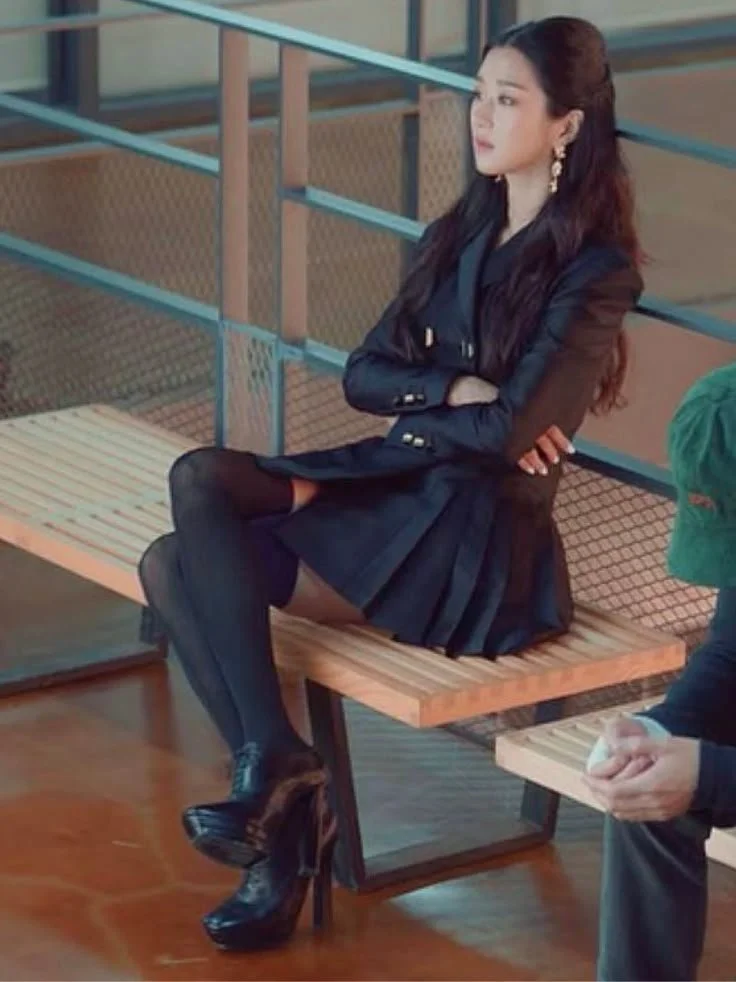
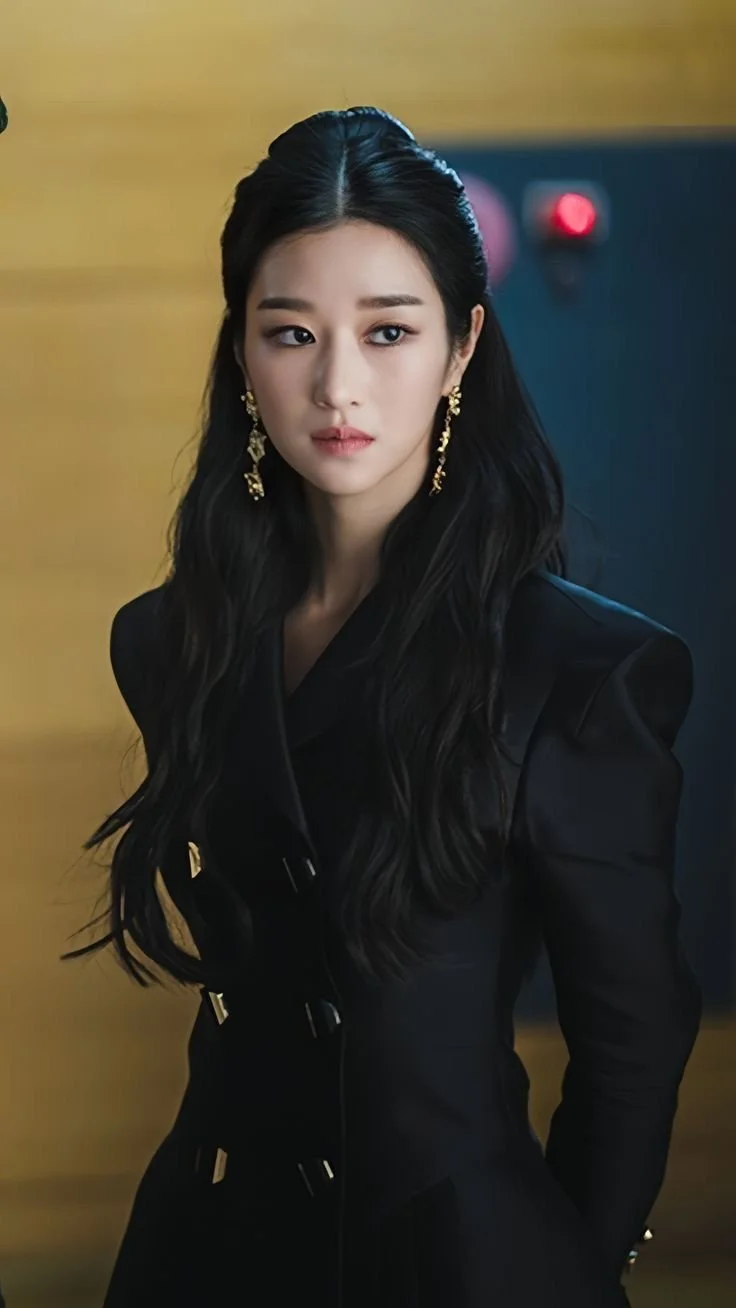
At the beginning of the series, Moon-young’s appearance is defined by severity. Her silhouettes are architectural, dark, sharply tailored, and resistant to movement. These early looks establish her as emotionally impenetrable. They function as an armour, garments that do not yield to the body, instead, discipline it. This visual rigidity mirrors her defensive psychological posture: intimacy is perceived as danger, and control is mistaken for safety. The camera collaborates with these clothes, often framing her in wide or low-angle shots that emphasise dominance and emotional distance. She is not meant to be approached; she is meant to be confronted.
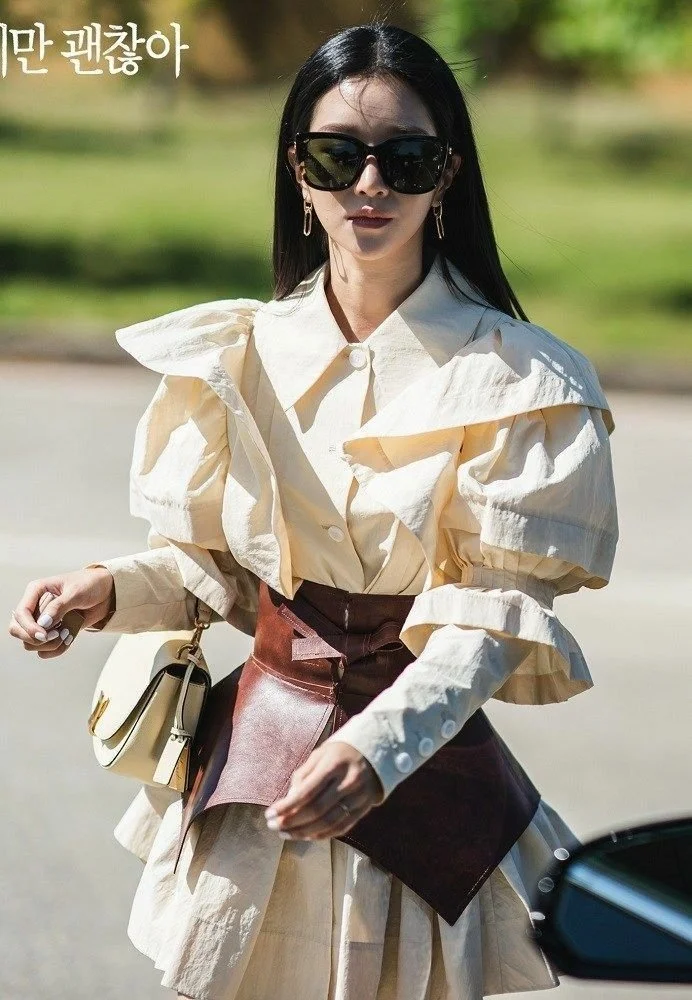
As the story progresses, her wardrobe begins to shift — not abruptly, but cautiously. Softness enters, but never unregulated. Romantic silhouettes appear, yet they are cinched, belted, and restrained. This transitional phase is critical: it reflects a psyche negotiating attachment while still fearing emotional collapse. Feminine excess is allowed only when contained; vulnerability is permitted only when structured. These outfits do not signify healing yet; they signify experimentation. They show a character testing whether gentleness can exist without annihilating her sense of self. Cinematically, this phase is marked by closer framing and more natural light, though emotional distance remains carefully maintained.
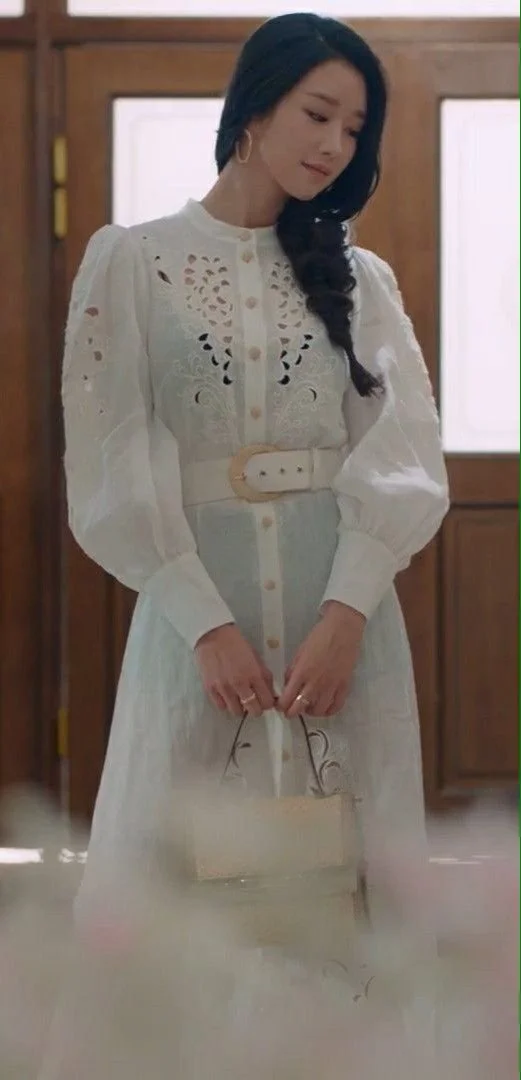
Later, Moon-young appears in lighter fabrics and palettes that suggest openness rather than performance. These garments no longer rely on aggression or spectacle to justify their presence. Instead, they hold space quietly. Importantly, this softness is not naïve or regressive. It is earned. The silhouettes remain composed; the garments are intentional rather than undone. This visual maturity signals a psychological shift from defensive autonomy to relational presence. The camera now lingers on her face, on her expressions, on texture, on stillness, allowing the viewer access that was previously denied.
Across this arc, fashion functions as a diagnostic tool. Each outfit externalises an internal negotiation: how close is too close, how much softness is survivable and safe, when control can be relinquished without loss of identity. Ko Moon-young’s wardrobe tells a story of past trauma and difficult interpersonal relationships. It demonstrates that healing is not a linear shedding of armour; it requires time: it is a careful recalibration of boundaries.
It’s Okay to Not Be Okay presents fashion as a form of emotional architecture. Clothes are initially chosen to showcase her distrust and dominance, accompanied by her difficulty in relating to others. Then, gradually clothes are shown fluid, soft, to support her, to hug her, to let her move freely. In doing so, the series offers an extremely delicate description of character growth and emotional complexity.
FULLY ARMOURED PSYCHOLOGICALLY
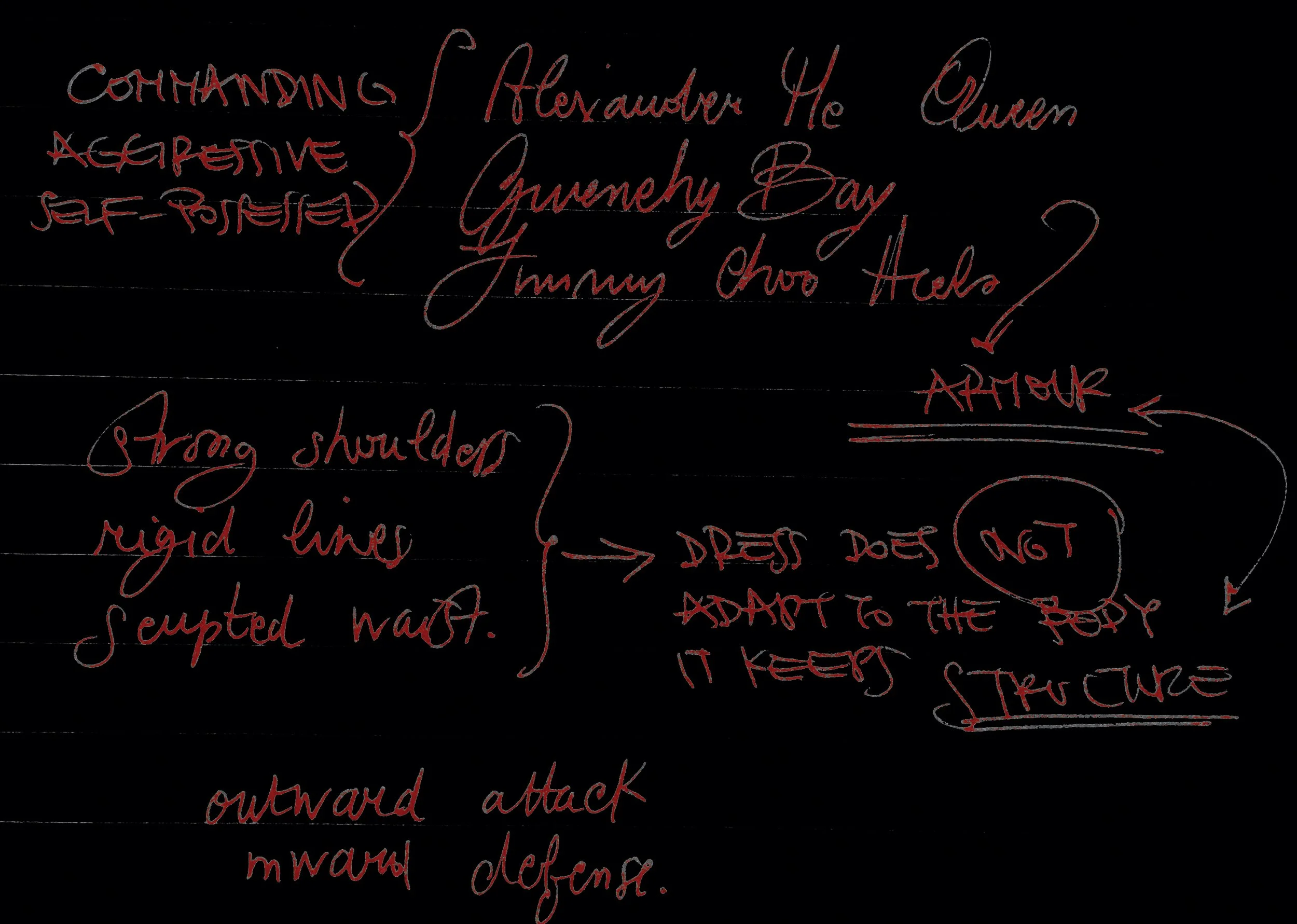
1. E01 / Black & Structured
Alexander McQueen / Givenchy Bag / Jimmy Choo Heels
STRONG WIDE SHOULDERS
CLOTHING MANTAINS STRUCTURE = ARMOUR
2. TRANSITIONAL VULNERABILITY
EP. 06
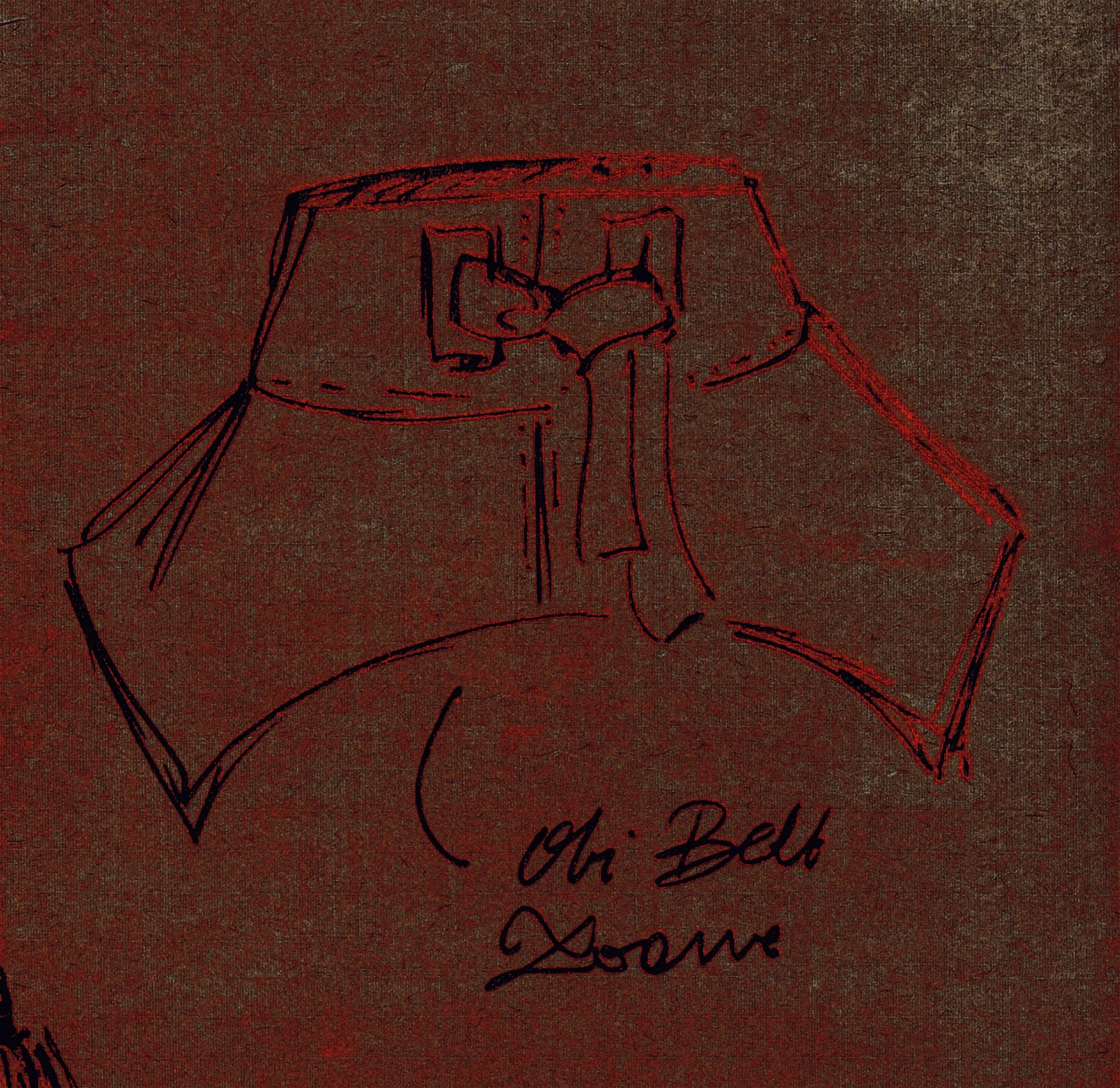
This look is crucial because it marks the first time Ko Moon-young allows softness to exist without disguising it as aggression.
Attachment Anxiety in Fabric Form
Psychologically, this outfit represents ambivalent attachment.
Moon-young is experimenting with emotional openness after a long time,
The puffed sleeves, light colour palette, and textured cotton suggest a subconscious longing for gentleness and care.
However, the tight corset belt reveals her fear: softness must be contained, or it will overwhelm her.
3. EMOTIONAL SOFTENING & HEALING FROM TRAUMA
EP. 11
Softness with Structural Memory
At first glance, this dress reads as romantic, pastoral, almost naïve:
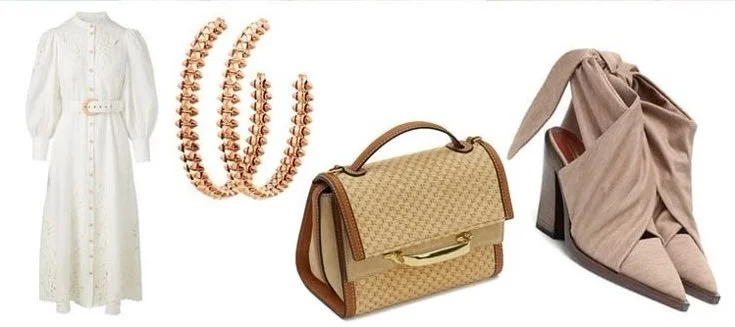
White broderie anglaise / eyelet fabric
Long sleeves, midi length
Light belt softly defining the waist
Neutral shoes, minimal accessories
Earlier in the series, Moon-young’s white or pale looks were performative, innocence as camouflage. Here, the softness is quieter, less theatrical, less defensive
This is the first time she appears emotionally reachable without being armed.
The eyelet fabric is symbolically precise: it is literally fabric that has been punctured , openings created intentionally, not torn. This mirrors her internal state. She is opening herself, but on her own terms, in a patterned, repeatable, controlled way.
This is what secure attachment begins to look like after long avoidance.
character: